Hearing loss affects millions of Americans, yet access to hearing care remains one of the most overlooked healthcare challenges—especially for low-income individuals and underserved communities. While hearing aids and audiology services can dramatically improve quality of life, the cost of care often creates a barrier that prevents many people from receiving the treatment they need.
For individuals relying on Medicaid or living on limited incomes, accessing hearing care can be difficult due to financial limitations, provider shortages, and lack of awareness about available programs. This gap in care can lead to untreated hearing loss, which impacts communication, mental health, and overall well-being.

Affordable hearing care programs play a critical role in ensuring that everyone, regardless of financial situation, has access to the hearing services they need.


The Financial Barriers to Hearing Care

One of the biggest challenges many individuals face when seeking hearing care is the cost. Hearing aids, evaluations, and follow-up care can be expensive, and traditional retail pricing often places these services out of reach for those living on fixed incomes.

Many seniors, Medicaid recipients, and low-income families must choose between essential expenses such as housing, medications, or food and the cost of hearing devices. As a result, hearing loss frequently goes untreated for years.

Unfortunately, untreated hearing loss can lead to serious consequences. Communication becomes more difficult, daily interactions become frustrating, and individuals may begin to withdraw from social situations. Over time, this isolation can affect emotional health and overall quality of life.

Ensuring access to affordable hearing care is essential to preventing these long-term health and social impacts.


Hearing Care Challenges for Medicaid Patients

Medicaid plays an important role in supporting healthcare access for millions of Americans, including hearing services for eligible individuals. However, finding providers who accept Medicaid can sometimes be difficult, especially in underserved communities.

Patients may encounter limited provider availability, long wait times, or transportation challenges when trying to access hearing care services. For individuals living in assisted living facilities or nursing homes, traveling to outside clinics can be especially difficult.

Without accessible and affordable care options, many Medicaid patients remain undiagnosed and untreated, despite having clear hearing difficulties.

Programs designed to serve these populations help ensure that hearing care reaches the people who need it most.


The Impact of Untreated Hearing Loss in Underserved Communities

When hearing loss goes untreated, the consequences extend far beyond the inability to hear clearly. Communication barriers can affect relationships with family members, caregivers, and healthcare providers. Individuals may struggle to follow medical instructions, participate in conversations, or remain engaged in daily life.

For seniors in particular, untreated hearing loss can contribute to feelings of isolation, depression, and cognitive decline. Studies have shown that individuals with untreated hearing loss are more likely to experience dementia and other cognitive challenges over time.

By providing affordable hearing care options, healthcare providers and nonprofit organizations help address not only hearing loss itself, but also the broader health risks associated with untreated hearing conditions.


How Nonprofit Hearing Care Programs Help Bridge the Gap

Nonprofit hearing care organizations play an essential role in improving access to hearing services for underserved populations. By focusing on mission-driven care rather than profit margins, these organizations can provide high-quality services at significantly lower costs.

Programs like those offered by the Americans for Better Hearing Foundation (ABHF) are designed specifically to expand hearing care access for Medicaid recipients, low-income individuals, and residents in long-term care facilities.

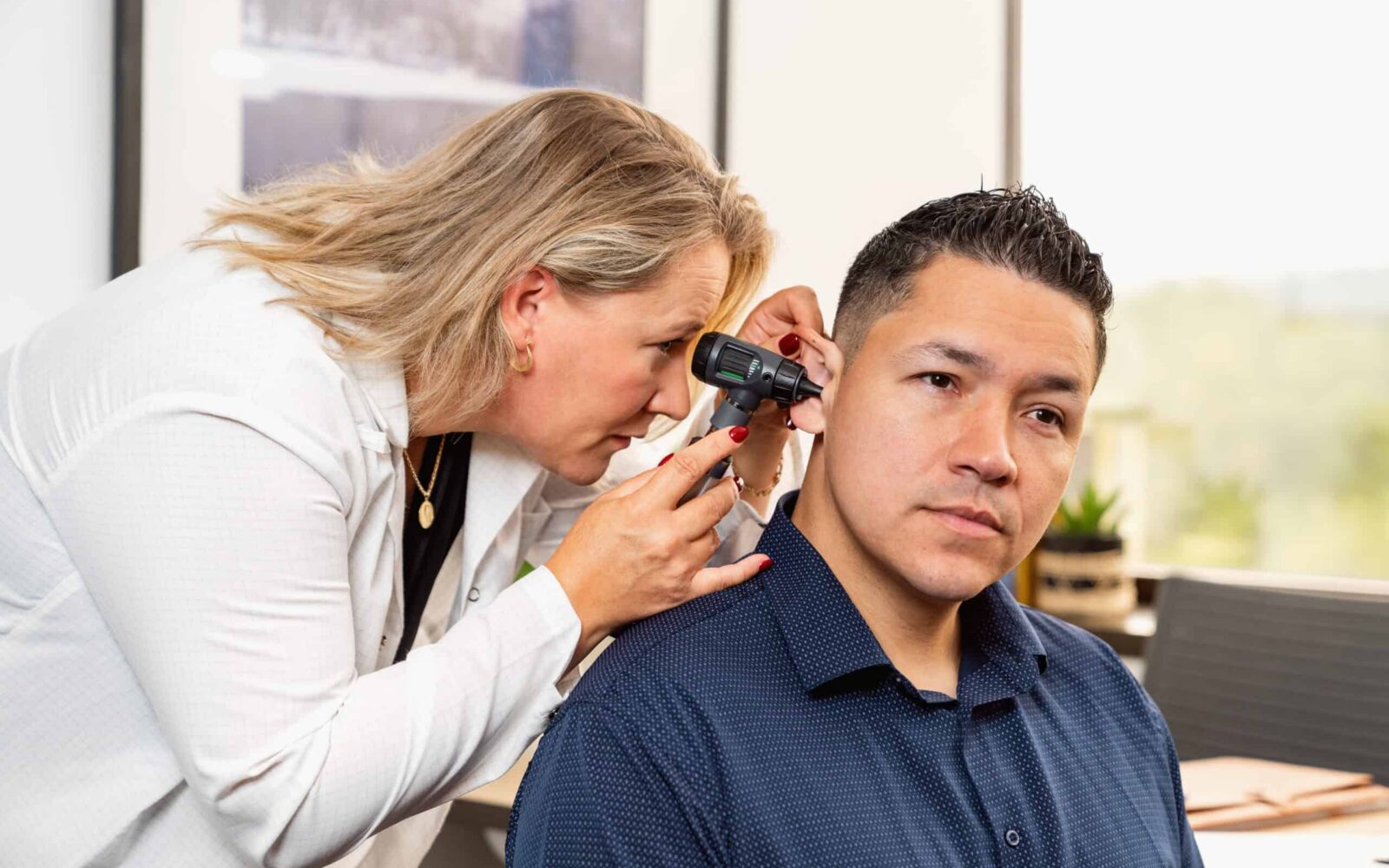
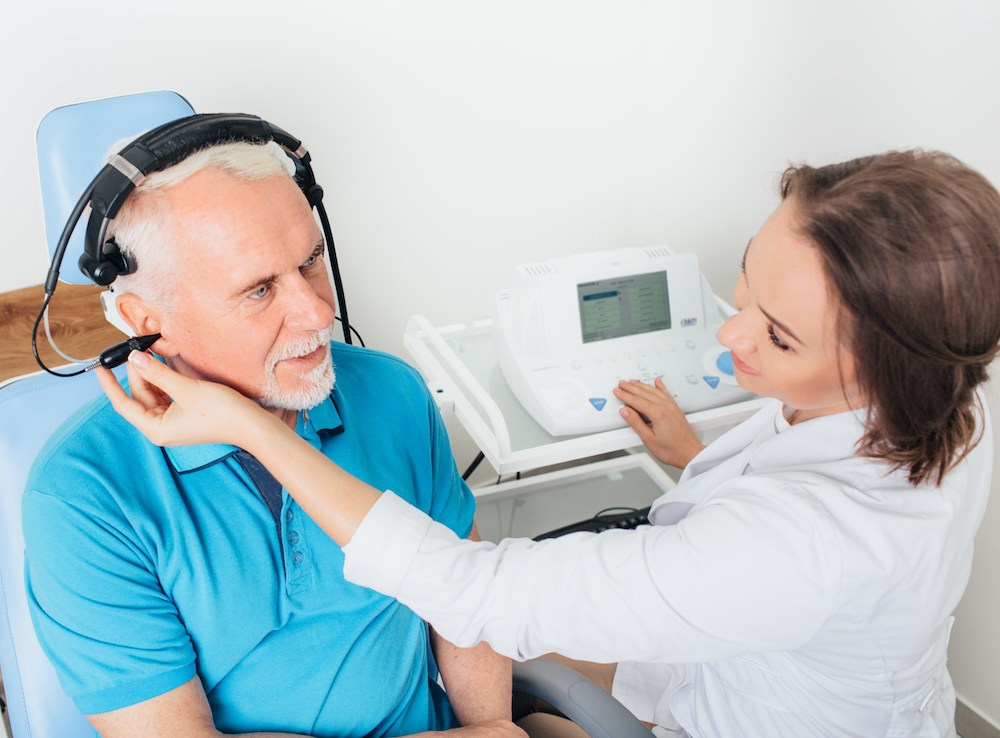
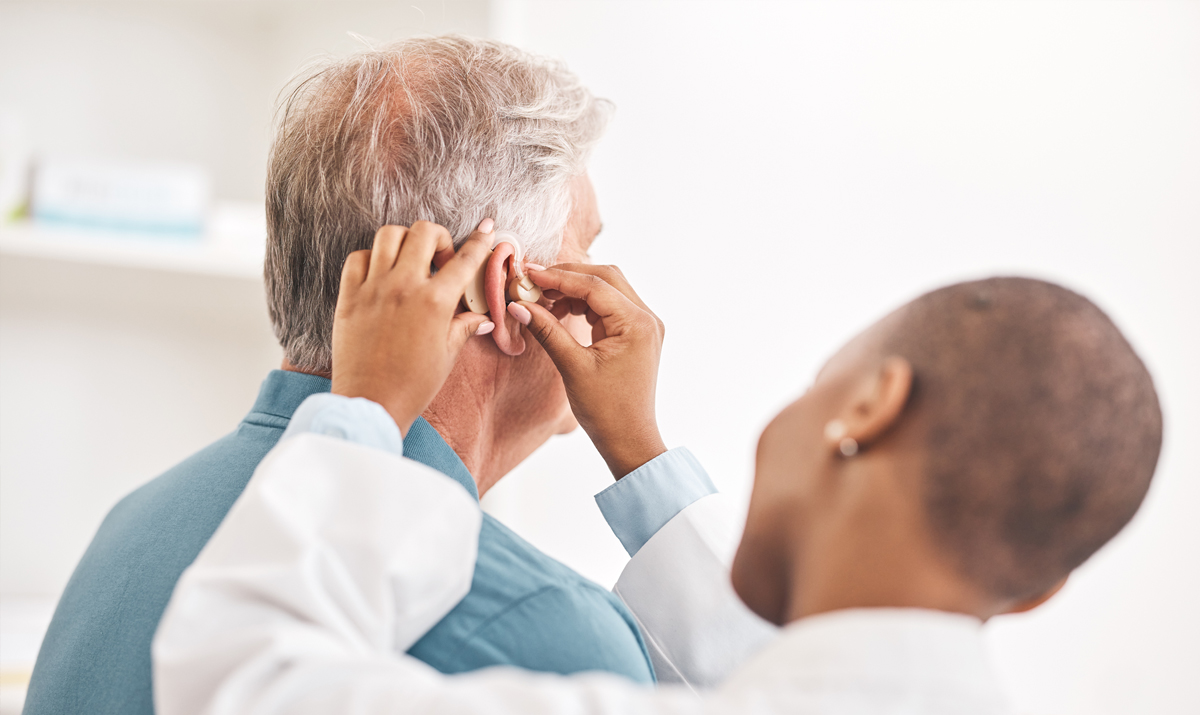
As a nonprofit organization, ABHF works to eliminate many of the financial and logistical barriers that prevent patients from receiving proper hearing treatment. The foundation provides comprehensive audiology services, including hearing evaluations, hearing aid fittings, and follow-up care, while maintaining a focus on affordability and accessibility.

Through these programs, individuals who may otherwise struggle to afford hearing care are able to receive the professional support they need.


Expanding Access Through Community-Based Care

One of the most effective ways nonprofit programs support underserved communities is by bringing hearing care directly to patients. Community-based clinics and on-site services help remove transportation barriers and make hearing care more accessible for seniors and individuals with mobility challenges.

For example, audiology providers may offer services within nursing facilities, supportive living communities, or community clinics. These programs allow patients to receive professional hearing evaluations and treatment without the difficulty of traveling to distant medical offices.

By expanding access in this way, nonprofit hearing programs ensure that more individuals receive the care they need to maintain healthy communication and independence.


Affordable Hearing Care Improves Quality of Life

Access to hearing care can transform a person’s daily life. Clear hearing allows individuals to reconnect with family members, participate in social activities, and maintain independence in their daily routines.

When hearing loss is properly treated, many individuals experience improved confidence, stronger relationships, and greater emotional well-being. Communication becomes easier, frustration decreases, and overall life satisfaction improves.

Affordable hearing care programs make these benefits possible for individuals who might otherwise go without treatment.


Creating a Future Where Hearing Care Is Accessible to All

Hearing health should not be considered a luxury—it is a fundamental component of overall health and well-being. Expanding access to affordable hearing care helps ensure that individuals from all backgrounds can receive the treatment they deserve.

By supporting Medicaid patients, low-income residents, and underserved communities, nonprofit hearing care programs are helping close the gap in hearing health services.

Organizations like the Americans for Better Hearing Foundation are committed to ensuring that hearing care remains accessible, compassionate, and affordable for everyone who needs it.


Schedule an Appointment

If you or a loved one are experiencing hearing difficulties, professional help is available. Early treatment can improve communication, protect cognitive health, and restore confidence in everyday interactions.

To learn more about affordable hearing care options or to schedule a hearing evaluation, contact the Americans for Better Hearing Foundation today.

Call: 630-321-3555

Better hearing can lead to a healthier, more connected life—and the journey begins with a simple step toward care.