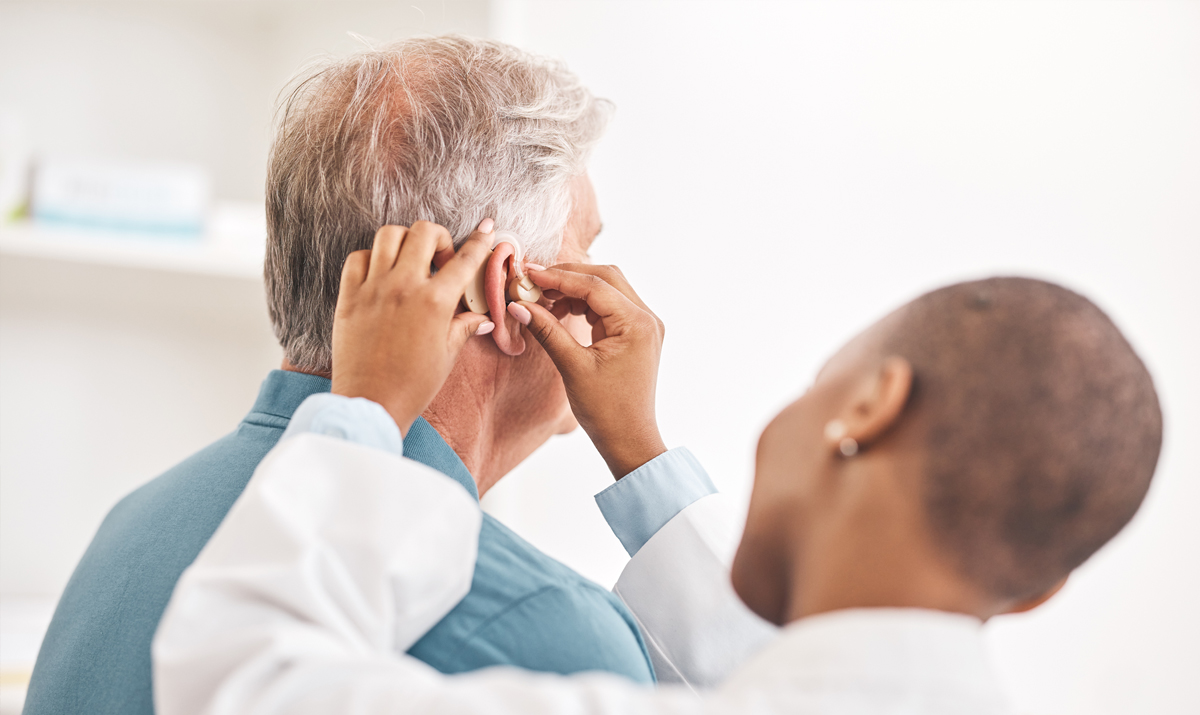
Hearing loss is often misunderstood as a minor inconvenience—something that simply makes conversations harder or requires turning the television volume up. In reality, untreated hearing loss can affect far more than communication. It has been increasingly linked to serious health concerns, including cognitive decline, emotional stress, and reduced quality of life.

Millions of Americans live with hearing loss, yet many delay seeking treatment for years. For older adults especially, ignoring hearing changes can lead to consequences that extend beyond the ears. Understanding the hidden health risks of untreated hearing loss is an important step toward protecting long-term health and well-being.


Why Hearing Health Is So Important

Hearing is one of the senses that keeps us connected to the world around us. It allows us to communicate with family members, follow conversations, remain aware of our surroundings, and participate fully in everyday life. When hearing begins to decline, these basic experiences can become increasingly difficult.

The brain relies on consistent auditory input to process speech and environmental sounds. When hearing loss occurs, the brain must work much harder to interpret incomplete signals. Over time, this increased effort can place additional strain on cognitive resources, affecting concentration, memory, and mental clarity.

For this reason, hearing health is closely tied to overall health and should be treated with the same level of attention as vision, heart health, or mobility.


The Connection Between Hearing Loss and Dementia

In recent years, researchers have discovered a strong link between untreated hearing loss and cognitive decline. One of the most widely referenced studies, conducted by Dr. Frank Lin at Johns Hopkins University, found that individuals with hearing loss are significantly more likely to develop dementia over time.

Participants with mild hearing loss were twice as likely to develop dementia compared to those with normal hearing. Individuals with moderate hearing loss had three times the risk, while severe hearing loss was associated with an even higher likelihood of cognitive decline.

Researchers believe several factors contribute to this connection. When hearing becomes difficult, the brain must devote more energy to interpreting sounds and speech. This increased cognitive effort can reduce the brain’s ability to focus on other important functions such as memory and thinking. At the same time, reduced auditory stimulation may cause certain brain areas responsible for sound processing to weaken over time.

Another major factor is social withdrawal. Many individuals with hearing loss begin avoiding conversations or group settings because communication becomes exhausting or frustrating. Reduced social engagement has long been recognized as a significant risk factor for cognitive decline.


Emotional and Social Consequences

Beyond its physical effects, untreated hearing loss can also impact emotional health. Communication difficulties often lead to frustration, embarrassment, and anxiety in social situations. Over time, these feelings may cause individuals to withdraw from conversations, family gatherings, or community activities.

This gradual isolation can contribute to feelings of loneliness and depression. Many people report that hearing loss makes them feel disconnected from the people around them, even when they are physically present.

Maintaining healthy hearing plays an important role in preserving strong relationships and emotional well-being. When people can clearly hear conversations, they are more likely to remain engaged, confident, and socially active.


Safety and Daily Awareness

Hearing also plays an important role in personal safety. Everyday sounds—such as alarms, emergency alerts, approaching vehicles, or warning signals—provide critical information about the environment.

When hearing loss goes untreated, individuals may have difficulty recognizing these sounds quickly. This can increase the risk of accidents, falls, or delayed responses in emergency situations. For older adults, maintaining hearing ability is an important part of maintaining independence and safety.


Neuroplasticity and the Brain’s Response to Hearing Loss

The brain has a remarkable ability called neuroplasticity, which allows it to reorganize and adapt based on the stimulation it receives. When hearing loss reduces auditory input, the brain may begin to repurpose areas previously dedicated to processing sound.

Over time, this can make it more difficult for the brain to interpret speech and environmental sounds. When hearing aids or other treatments restore auditory stimulation, the brain must re-establish those pathways. The longer hearing loss goes untreated, the longer this adjustment period may take.

Addressing hearing loss early helps preserve these neural pathways and allows the brain to continue processing sound effectively.


Recognizing the Early Signs of Hearing Loss

Hearing loss often develops gradually, which means many people do not immediately recognize the changes. Individuals may begin to notice that conversations in noisy environments are harder to follow, or that they frequently ask others to repeat themselves. Television or radio volume may gradually increase, or speech may begin to sound muffled.

These subtle changes can progress over time, making early evaluation extremely important.


Taking the First Step Toward Better Hearing

Hearing health plays a vital role in maintaining overall wellness, cognitive function, and emotional balance. Fortunately, modern hearing evaluations are simple, painless, and highly effective in identifying hearing changes.

Early treatment can significantly improve communication, reduce cognitive strain, and help individuals stay socially engaged and mentally active. In many cases, hearing aids or other treatments restore not only sound but also confidence and connection with others.

If you or a loved one have noticed changes in hearing, scheduling a professional hearing evaluation is an important step toward protecting both hearing and brain health. Addressing hearing loss early can make a meaningful difference in quality of life today and in the years ahead.

Take the First Step Toward Better Hearing

Early detection and treatment of hearing loss can help protect cognitive health, strengthen social connections, and restore the ability to fully participate in everyday life. Taking action today can make a meaningful difference for your health tomorrow.

Call today to schedule your hearing evaluation: 630-321-3555.